Driving Profitable Growth Through Smart Manufacturing
#SmartManufacturing #CXOLeadership #Industry40 #ConnectedFactory #DigitalTransformation #PredictiveMaintenance #AutomatedOperations #ManufacturingAgility #DassaultSystèmes #TataTechnologies
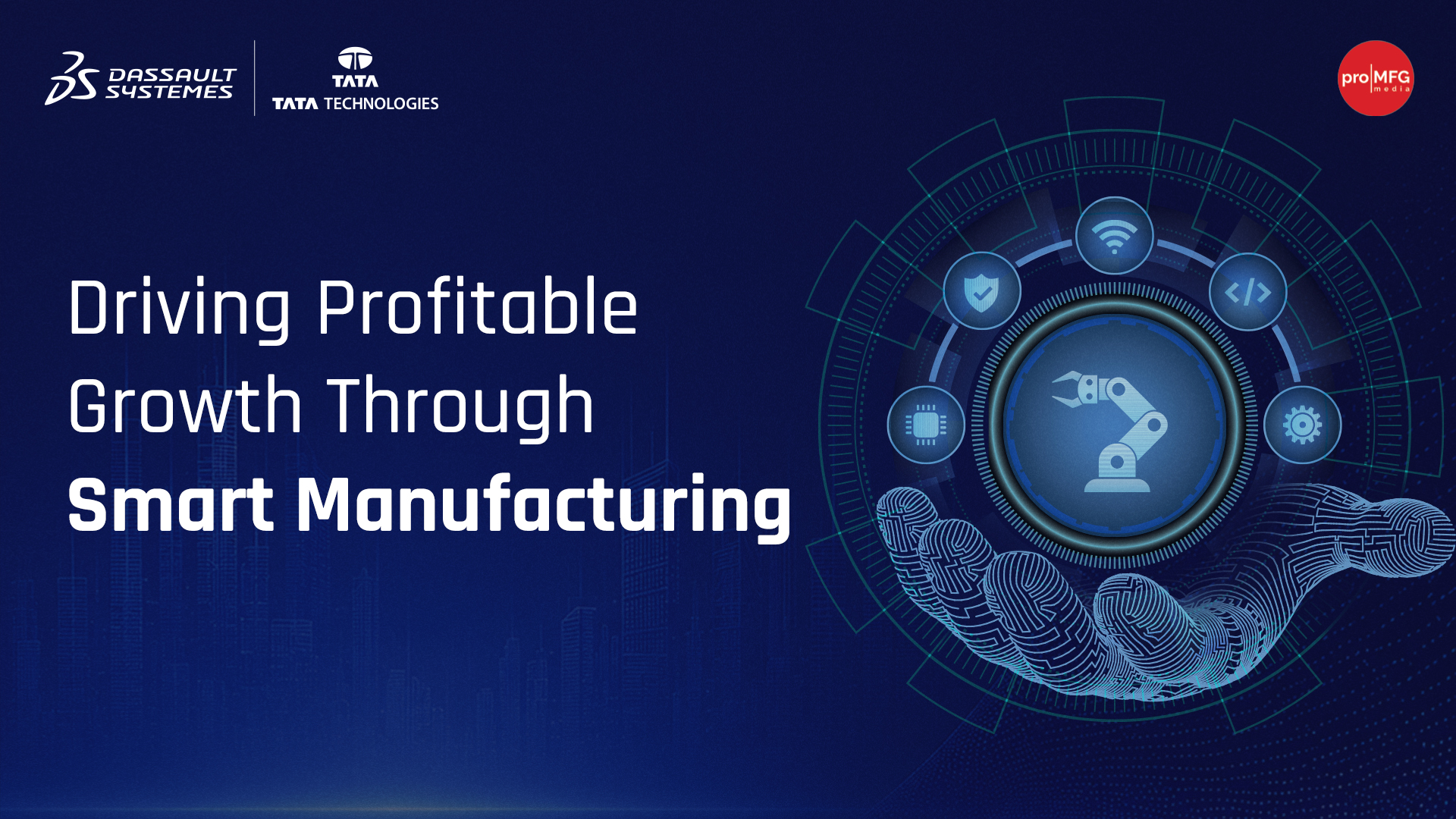
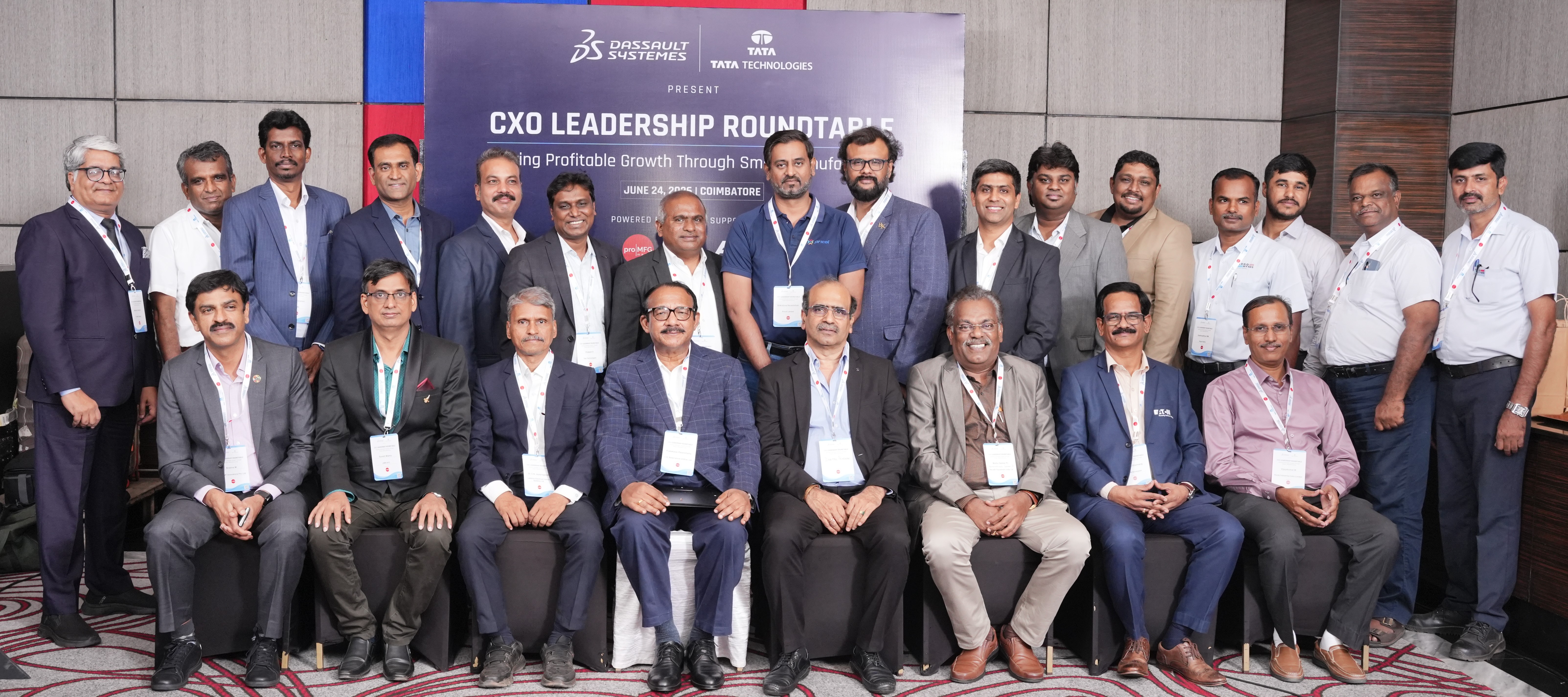
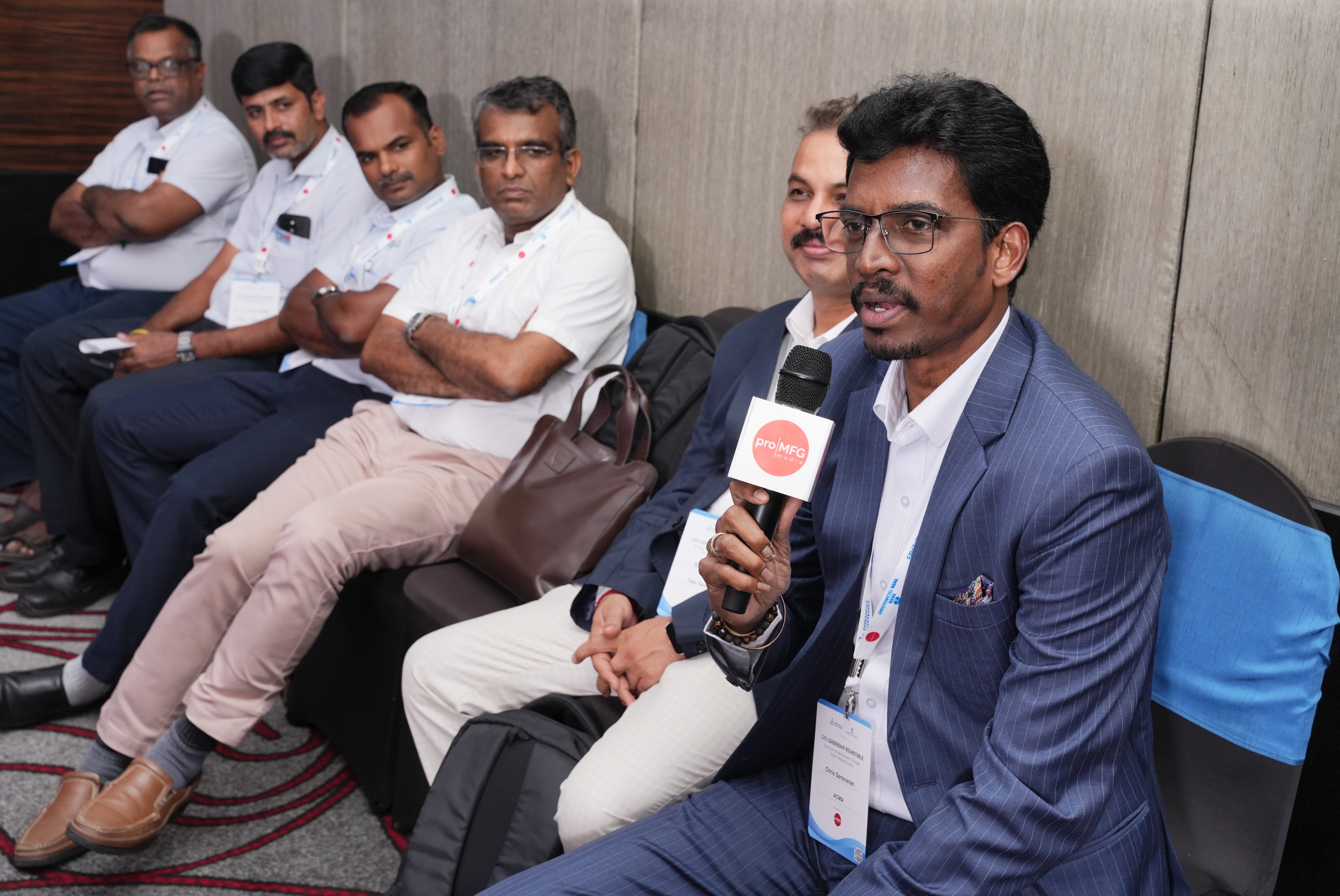
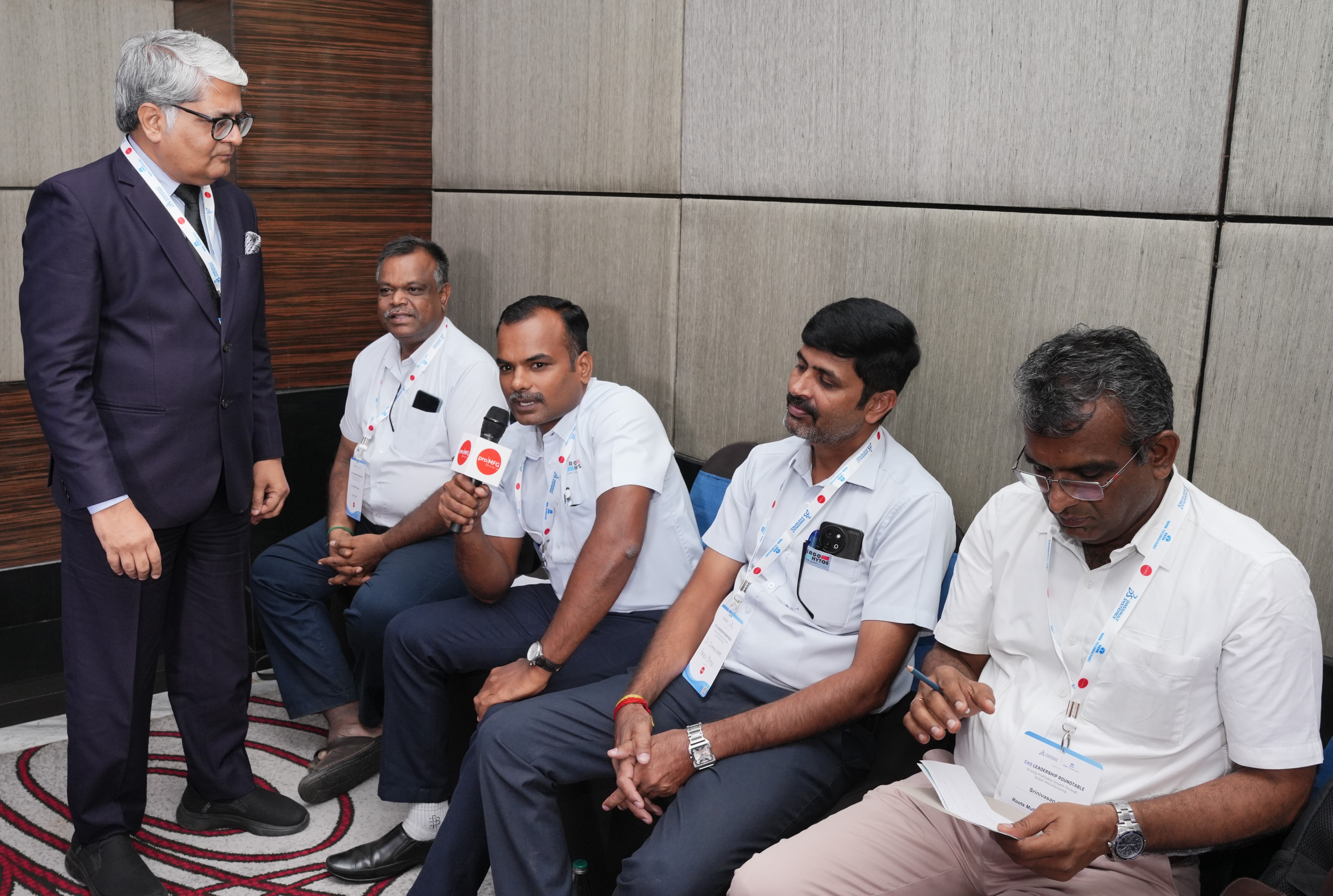
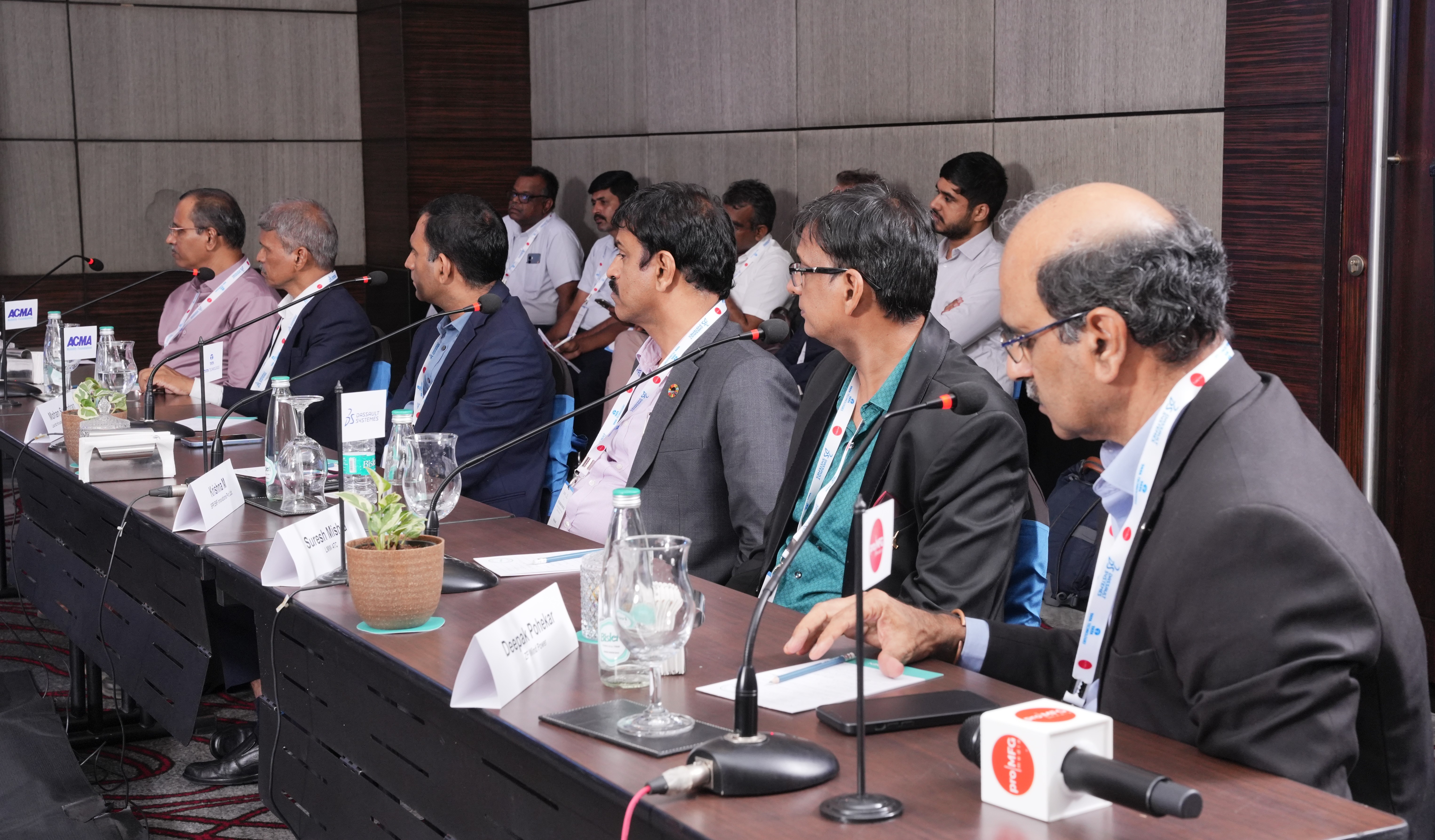
June 2026 : In the heart of one of India’s most resilient manufacturing hubs, industry leaders, technology experts, and solution providers gathered for a closed-door CXO Leadership Roundtable focused on a vital economic objective: "Driving Profitable Growth Through Smart Manufacturing." Presented by Dassault Systèmes and Tata Technologies, powered by Pro MFG Media, and supported by ACMA India, this elite gathering brought together a powerful cross-section of operations, supply chain, and engineering heads to dissect the immediate obstacles and future breakthroughs shaping the industrial landscape.
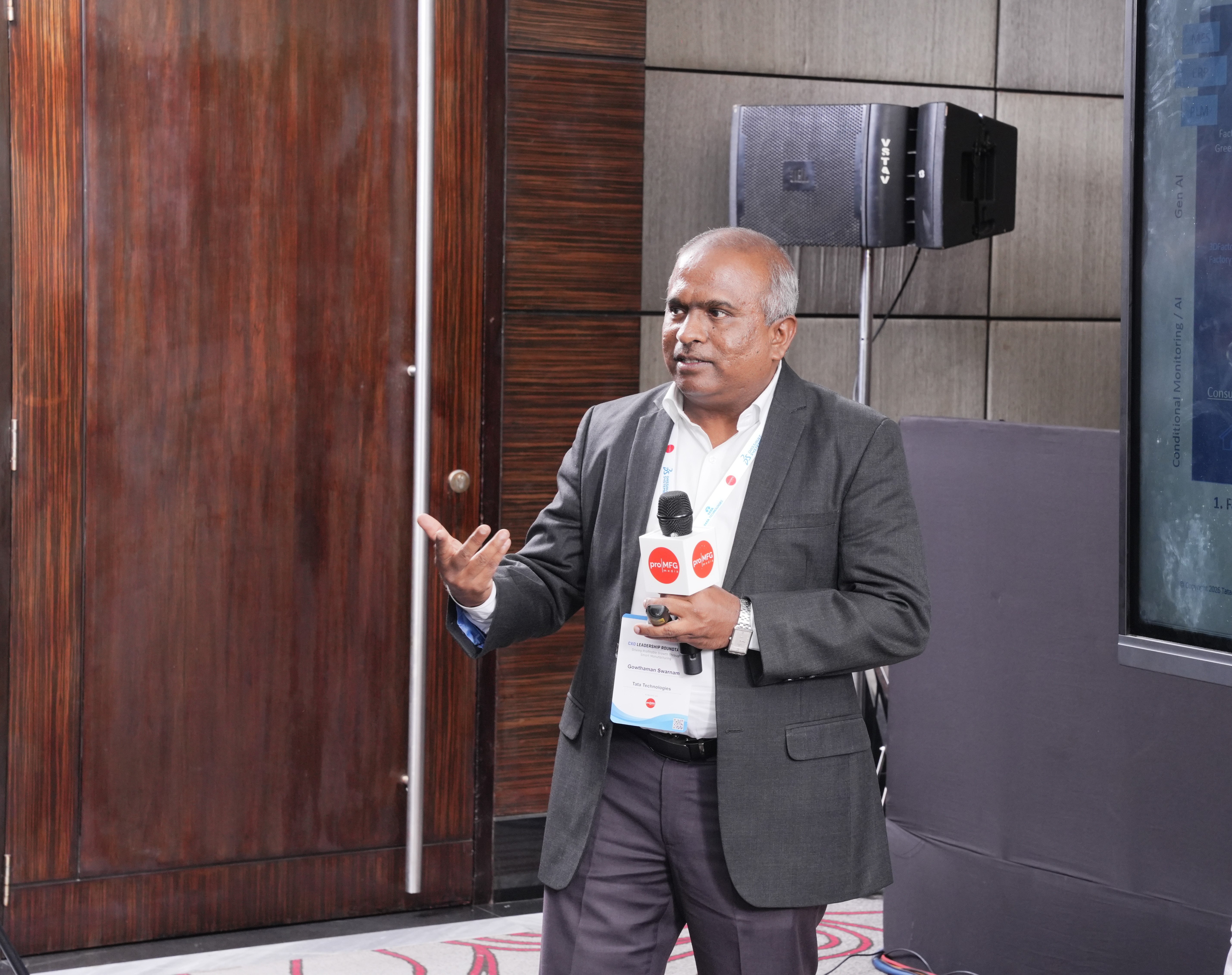
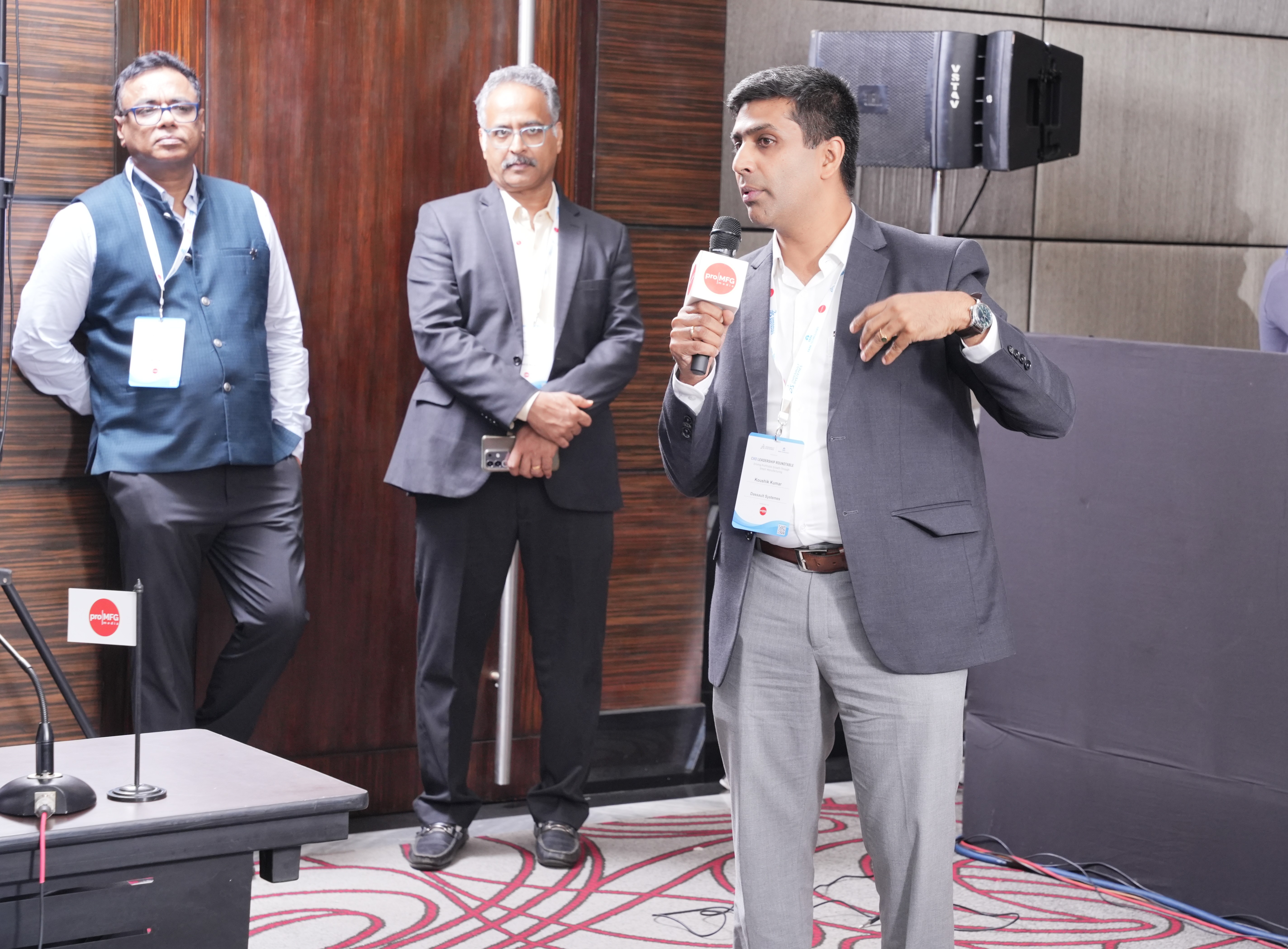
The speakers for this leadership roundtable included Balaji Kannan of TTK Prestige, Chris Saravanan representing ACMA, Deepak Pohekar, Dr. C.N. Jayapragasan from Lakshmi Electrical Control Systems Ltd. Joining them were Krishna M from SPR EMF Innovations Pvt. Ltd., Mohan Surendran from Lauritz Knudsen Electrical & Automation, and Muthu Sekkar PL from Rotomotive Powerdrives. The panel was further strengthened by the presence of Pandiyan Dharmaraj from Eaton Aerospace, Srikrishna Narasimhan of Pricol Limited, Suresh Mishra from LMW ATC, and Prabakaran Palanichamy representing L.G. Balakrishnan & Bros. Ltd. Bringing deep technological expertise to the conversation were Vijayakumar M of Roots Industries India Limited, Gowthaman Swarnam from Tata Technologies, and Koushik Kumar from Dassault Systèmes. The entire session was expertly steered by Manish Kulkarni from Pro MFG Media, who served as the moderator.
The discussion opened with an honest assessment of current shopfloor realities. While organizations strive for absolute production efficiency, top-tier quality, and predictable delivery timelines, substantial operational friction remains.
The leaders also highlighted that tracking and mitigating unpredictable downtime, engineering bottlenecks, rework loops, and unexpected inventory shortages continue to strain traditional setups.
The core of this visibility gap lies in data fragmentation. During the course of discussion, the industry leaders pointed out a major operational reality: a significant portion of critical manufacturing decisions - ranging from scheduling adjustments to material allocations - still heavily rely on spreadsheets, manual reporting, and delayed information streams. This structural latency creates a persistent blind spot between top-floor enterprise resource planning systems and shopfloor execution realities.
The panel agreed that eliminating these disconnected systems is the fundamental first step to achieving true agility without injecting corporate complexity.
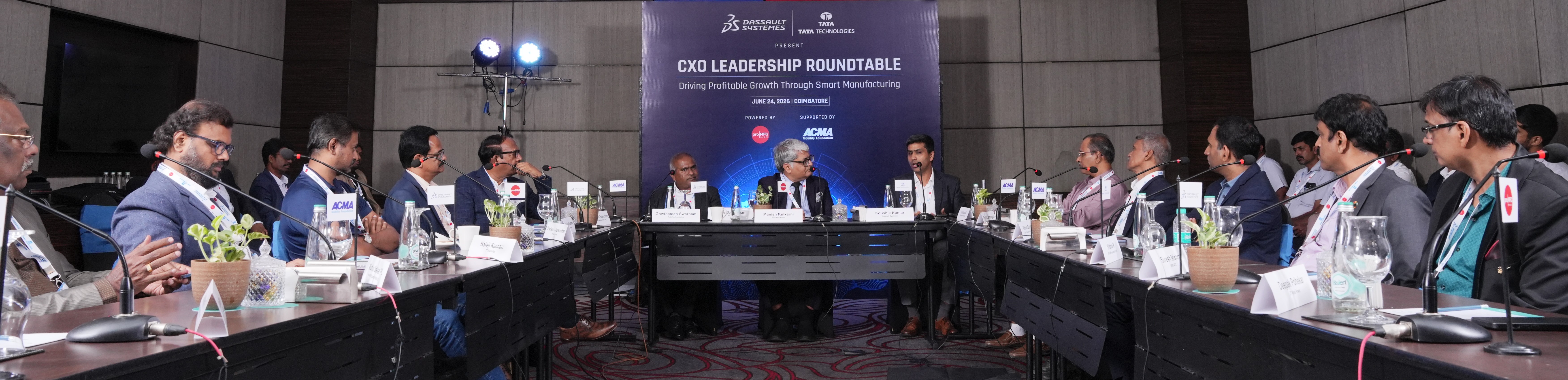
If the benefits of smart manufacturing are undeniable, why isn't widespread adoption faster? Leaders stepped up to isolate the deep-rooted adoption barriers preventing organizations from adopting smarter, connected practices: They brought focus to the cultural inertia and "pilot paralysis" - the widespread struggle where digital proofs-of-concept stall and fail to scale across multi-site production facilities due to a lack of data standardization.
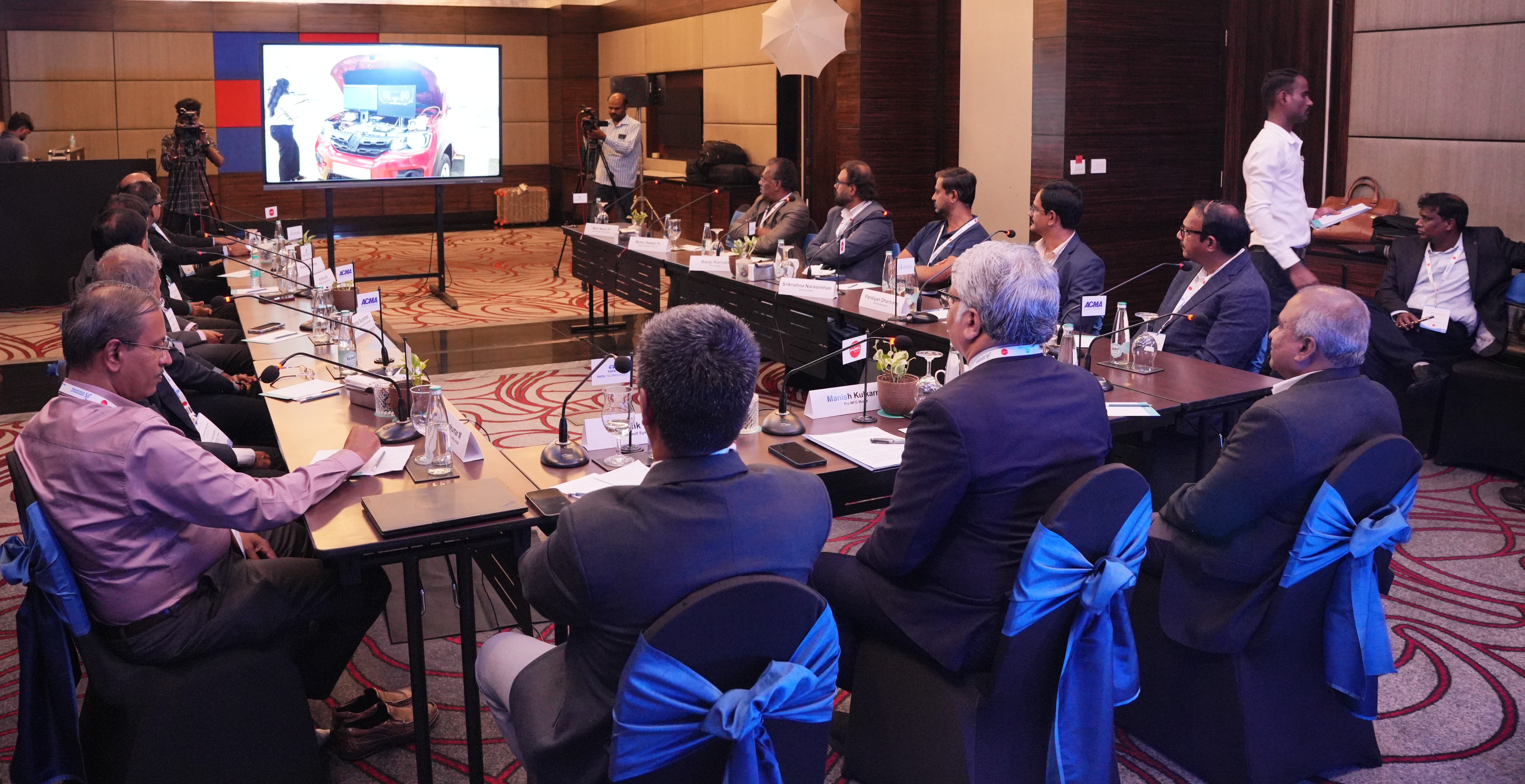
The executive panel pinpointed the exact areas where AI applications will deliver the highest business impact. They noted that predictive maintenance, autonomous quality optimization, and supply chain resilience are the specific applications set to transform industry margins. Maximizing machine uptime directly safeguards delivery commitments from volatile market shocks.
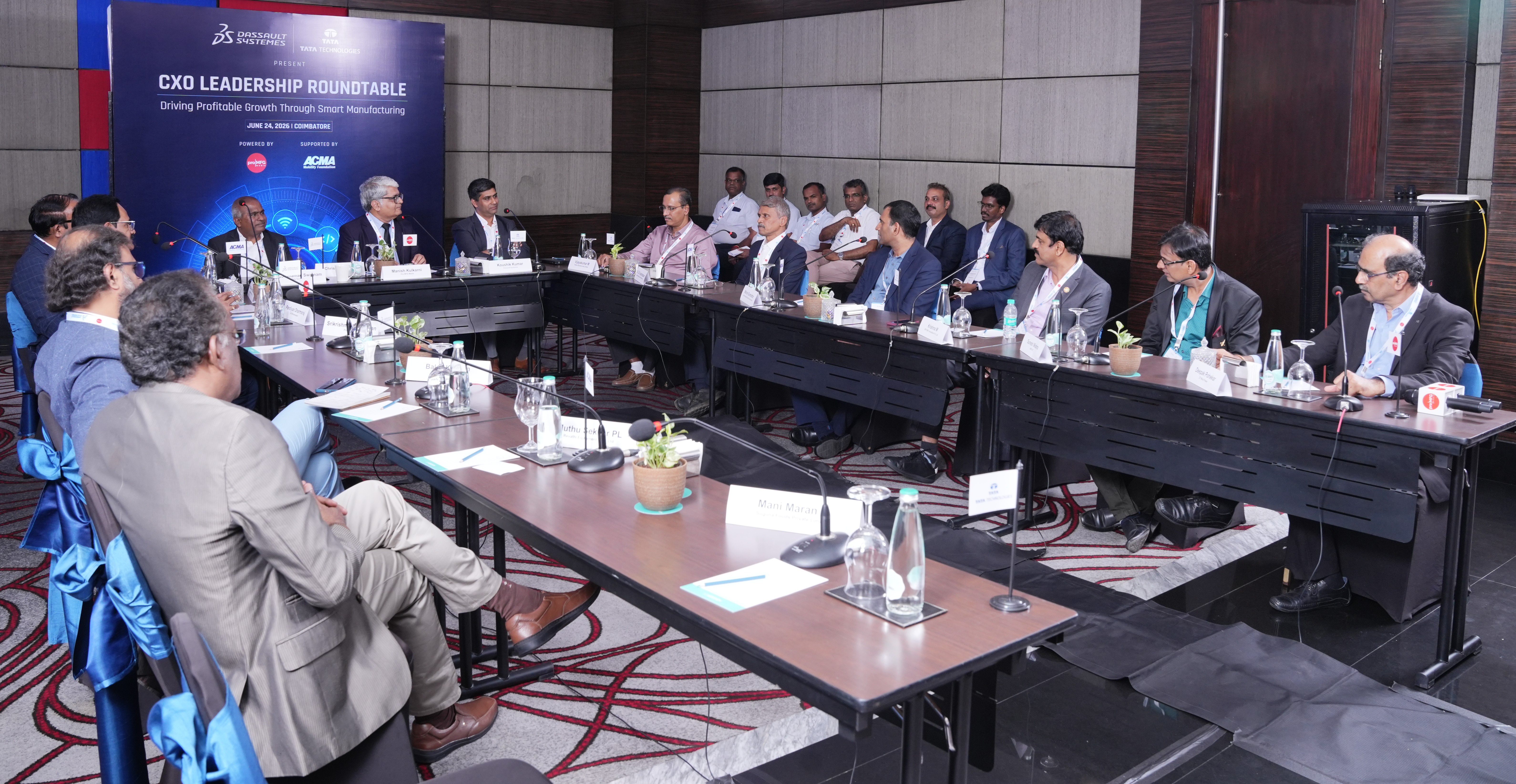
High capital requirements, variable operational variables, and the immediate need for advanced tech skills mean that the short-to-medium-term opportunity lies in smart augmentation - empowering the workforce with real-time analytics to make swift, strategic decisions, rather than entirely unstaffing the production floor.
The Coimbatore roundtable concluded with an actionable consensus. Scaling up operations or adapting to sudden customer shifts shouldn’t mean increasing organizational complexity. Gowthaman Swarnam (Tata Technologies) and Koushik Kumar (Dassault Systèmes) summarized the discussion by highlighting how Indian manufacturers can leverage scalable, interoperable technology ecosystems to turn raw operational data into sustainable, profitable market leadership.

NEWSLETTER
TRENDING ON PRO MFG



MORE FROM THE SECTION