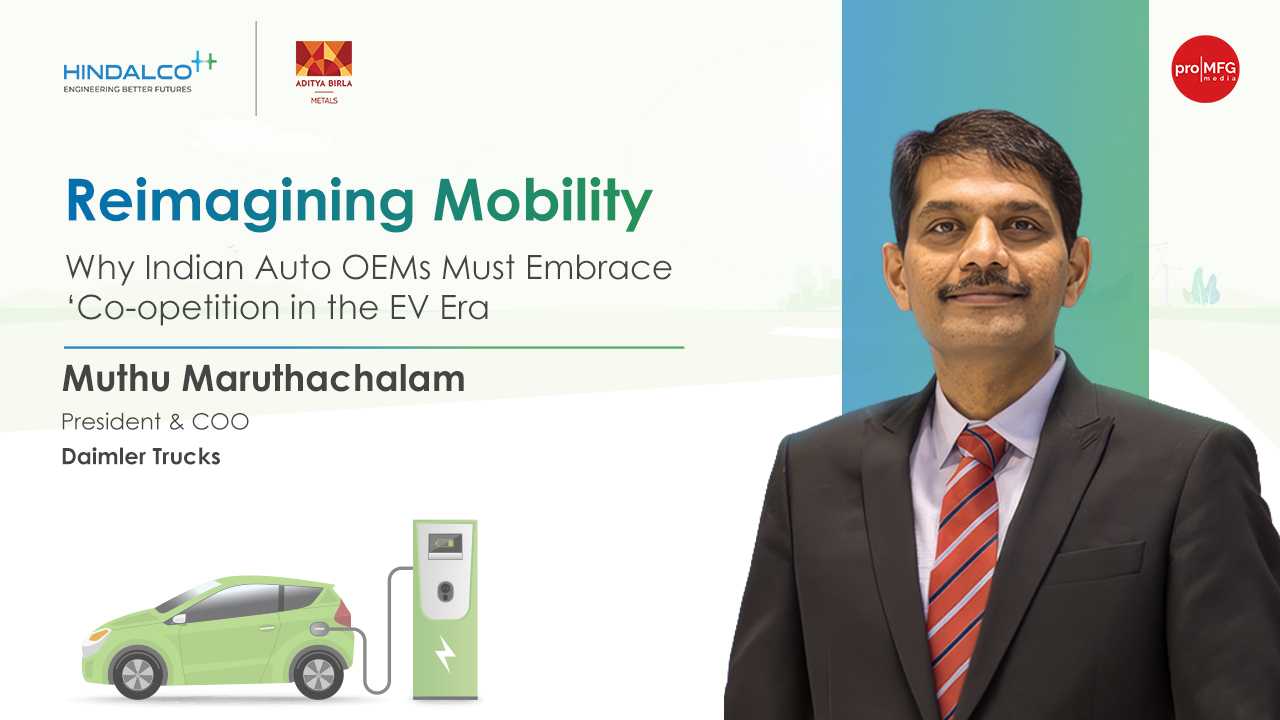
Reimagining Mobility: Why Indian Auto OEMs Must Embrace ‘Co-opetition in the EV Era
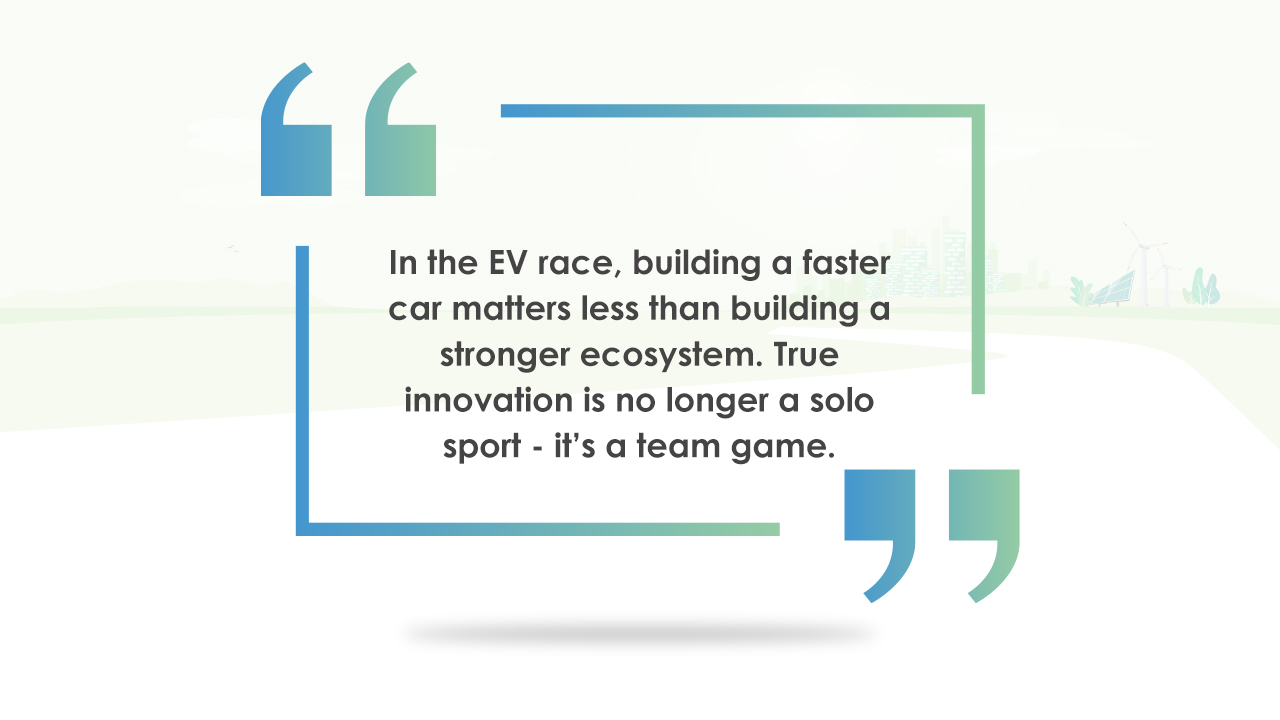
#MobilityReimagined #EVEra #AutomotiveInnovation #ACMA2026 #SmartManufacturing #CoOpetition #Lightweighting #SustainableMobility #MakeInIndia #ValueChainCollaboration"In the EV race, building a faster car matters less than building a stronger ecosystem. True innovation is no longer a solo sport - it’s a team game." - Muthu Maruthachalam, President & COO - Daimler Trucks
July 2026 : As the automotive industry pivots toward electrification, smart engineering, and sustainable manufacturing, the traditional rules of engagement no longer apply. This was the defining consensus at the Hindalco CXO Power Breakfast, held on the sidelines of the 4th Edition of the ACMA Automotive Smart Manufacturing Think Turf 2026, powered by Pro MFG Media and Knowledge Partner - CAAR & Supporting Partner - GARC.
Gathering the finest minds of the automotive ecosystem for a high-stakes roundtable, the discussion centered on a pivotal theme: Reimagining Next Generation Mobility Platforms: Lightweighting, Smart Engineering & Sustainable Manufacturing for the EV Era.
Among the standout voices was Muthu Maruthachalam from Daimler Trucks, who challenged the industry to rethink how it innovates. His core message was clear: true innovation cannot happen in a silo. Instead, it requires rewriting the playbook on ecosystem collaboration.
For decades, the relationship between Original Equipment Manufacturers (OEMs) and suppliers has been strictly transactional - defined by rigid contracts, commercial negotiations, and sporadic quality checks. Maruthachalam argues that this legacy mindset is the biggest bottleneck to future-ready innovation.
"If the downstream value chain is not brought to the same level of readiness, even the largest OEMs will fail somewhere along the journey," Maruthachalam warned.
To bridge this gap, Daimler Trucks has pioneered an initiative called Q Prime. This program moves past standard quality audits to actively upgrade supplier ecosystems by focusing on three core pillars:
- • Eliminating Operational Waste: Handholding suppliers to identify and root out structural inefficiencies.
- • Driving Radical Transparency: Helping Tier-1 and Tier-2 CEOs deeply understand their own manufacturing waste.
- • Ecosystem Value Creation: Aligning the entire downstream chain to deliver ultimate value to the end customer, rather than just managing commercial friction.
One of the most compelling insights shared during the roundtable was the concept of "co-opetition" - collaborating on core, capital-intensive infrastructure while continuing to compete on the final customer experience.
Maruthachalam pointed to Europe as a prime example. There, fierce rivals Daimler, Mercedes-Benz, Volvo, and Toyota joined forces to invest heavily in hydrogen fuel-cell technology. They pooled massive capital expenditures into a shared, separate entity to solve a complex technological hurdle together, yet they remain intense competitors in the open market.
In India, this level of peer-to-peer collaboration remains uncommon. Indian OEMs traditionally prefer to build unique, proprietary solutions from scratch. This insular approach often results in duplicated efforts, inflated R&D costs, and a slower collective time-to-market.
So, where does India start? Maruthachalam suggested focusing on universally beneficial, "non-differentiator" technologies. The lowest-hanging fruit is lightweighting and advanced material science.
Weight reduction is an absolute necessity for the EV era to maximize battery range and efficiency. Because every OEM and Tier-1 supplier benefits from lighter materials, it serves as the perfect sandbox for collective action.
- • The Strategy: Pool resources across academia, material innovators (like Hindalco), and competing OEMs to standardize advanced, lightweight material platforms.
- • The Benefit: It drastically reduces individual Capex, accelerates local manufacturing capability, and builds a self-reliant supply chain.
- • The Competitive Edge: OEMs can still fiercely compete on software, user experience, and overlaying vehicle technology, while sharing the foundational, lightweight architectures underneath.
The path to next-generation mobility cannot be paved by isolated giants. By adopting a mindset of collaborative innovation and picking collective battles like material lightweighting, the Indian automotive ecosystem can scale rapidly, mitigate risk, and pace global disruption efficiently. The EV transition is a team sport; it’s time for the industry to play like one.

NEWSLETTER
TRENDING ON PRO MFG
MORE FROM THE SECTION